Spinner vs inline wheels: which suitcase rolls better
Wheel choice changes how a case handles, how much it holds, and how long it lasts. It is the single most under-read spec on a luggage listing.
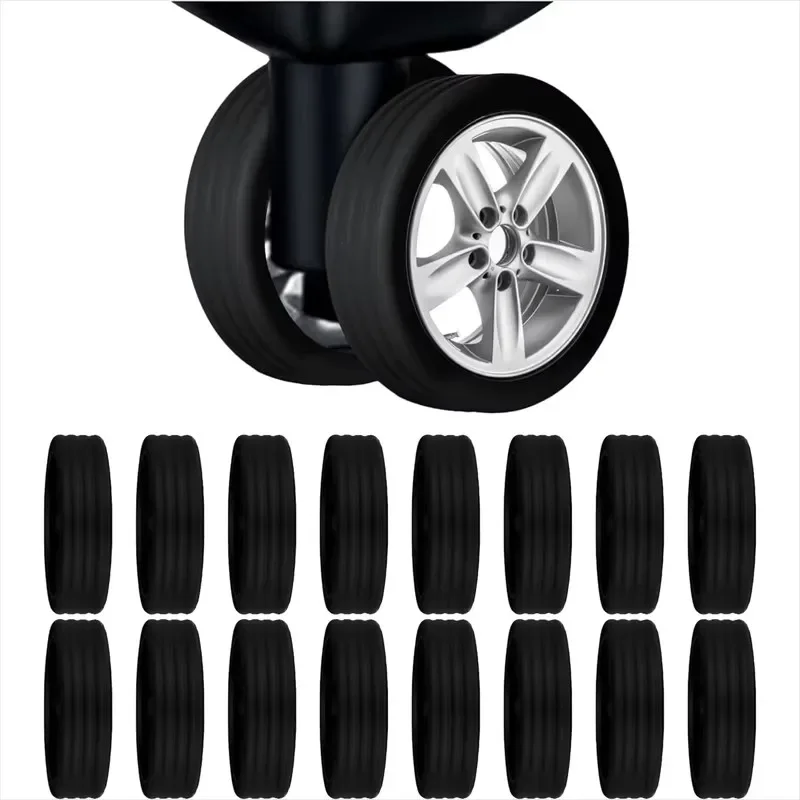
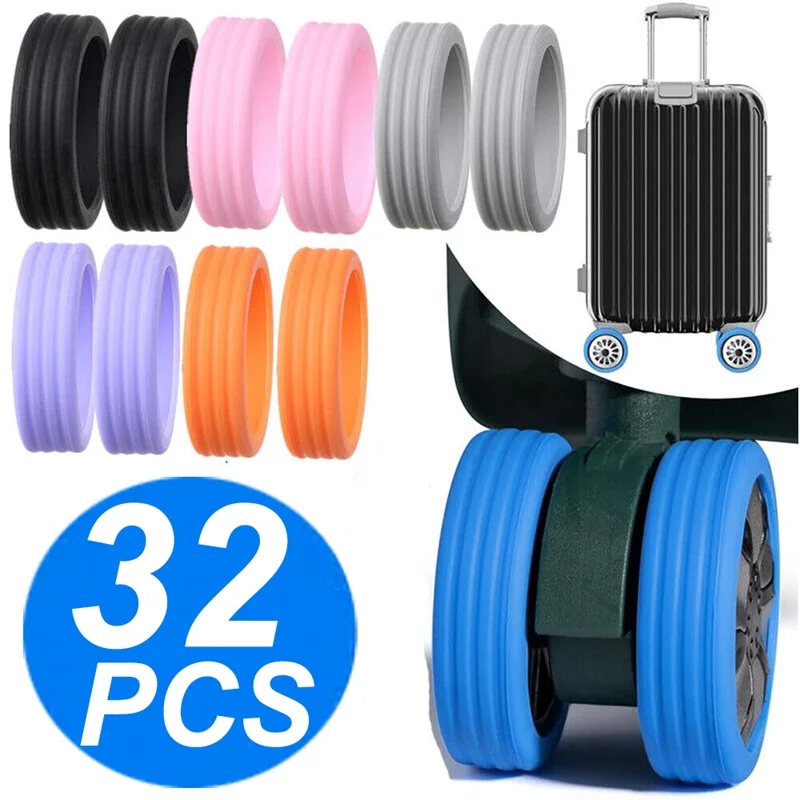
Spinner (four wheels)
The case rolls upright beside you, so your wrist carries almost nothing.
- Best for: airports, train stations, smooth hotel corridors
- Costs: wheels intrude into the packing space, and they break first on rough ground
- Tip: look for wheels that sit inside the shell's footprint rather than protruding
Inline (two wheels)
You tilt the case and pull it behind you.
- Best for: cobbles, gravel, kerbs, long-term travel
- Costs: constant wrist load on the pulling arm; a heavy case tips
- Tip: wider wheel housings roll better over gaps
Wheel-less or hybrid
Some soft cases and duffels have no wheels at all, which buys capacity and saves 1-2 kg. If you mostly travel by car or train, that is a rational trade.
What to inspect in the data
- Wheel diameter — bigger wheels handle rough pavement far better
- Replaceable wheels — a screw fitting beats a moulded one; a broken wheel otherwise ends the case's life
- Wheel recess — deeper recesses eat litres
- Stated dimensions — check whether they include wheels; if not, add 4-6 cm
Airlines measure the whole case, so a "55 cm" body with protruding spinners is often 60 cm in the sizer. Check our cabin size rules and compare wheel designs in Check-in & large suitcases.
Links in this guide go to product pages in our feed. We earn a commission on purchases at no extra cost to you.