
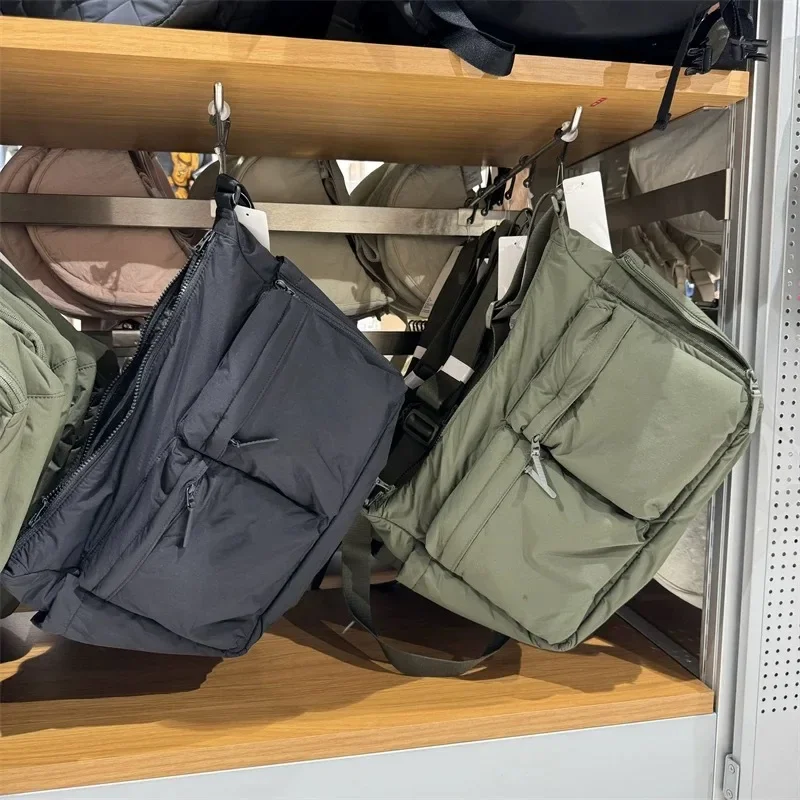
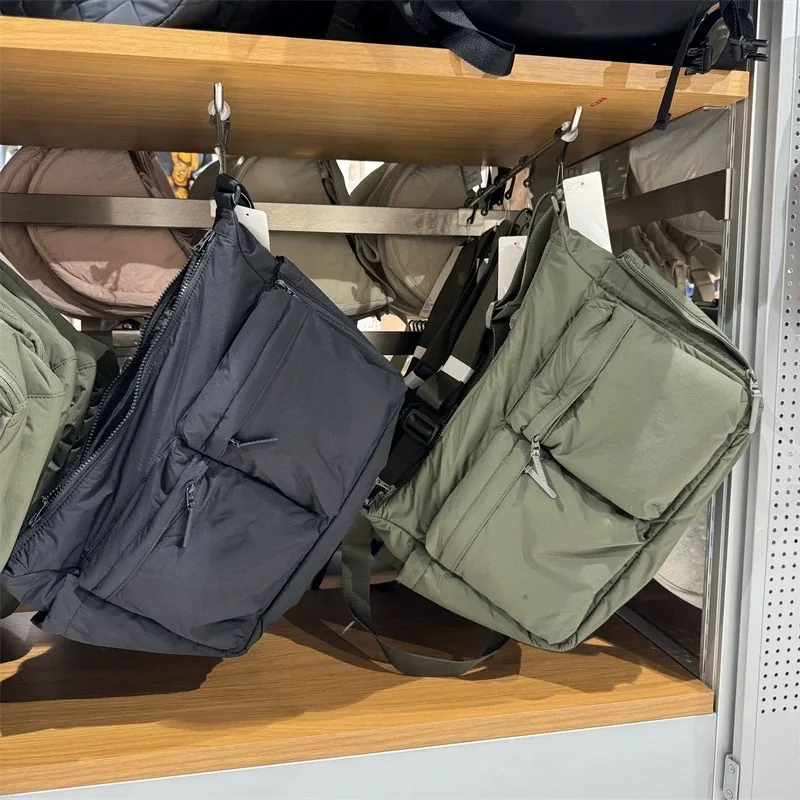


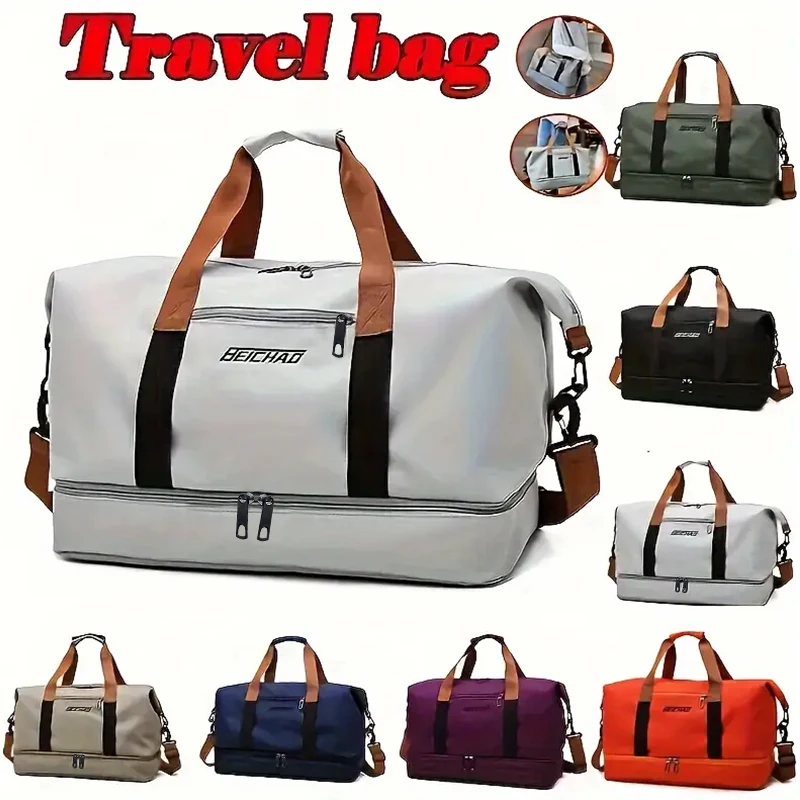
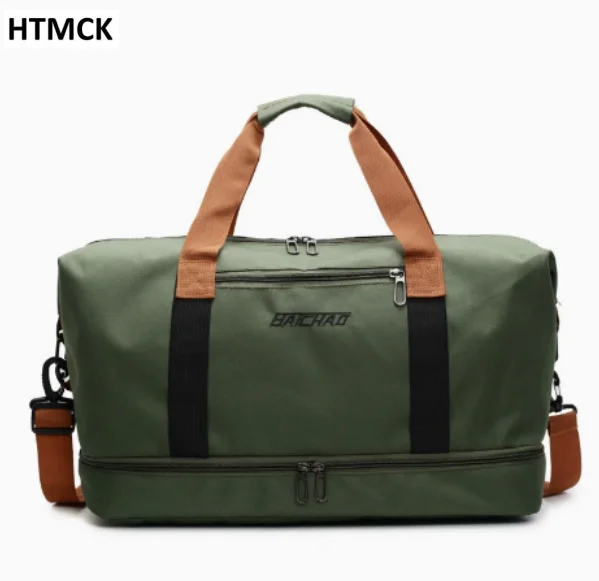


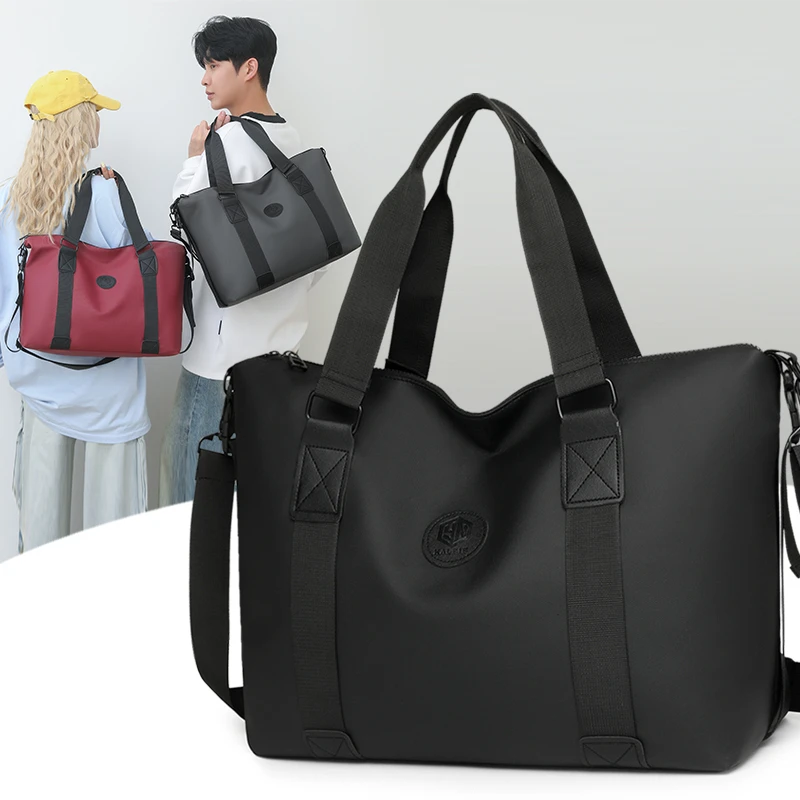


Duffels are the simplest bags to make and the easiest to get wrong. Almost every failure is a strap anchor tearing or a zip bursting, not the fabric wearing out — so inspect the seams and hardware, not the colour.
Capacity, honestly stated
- 30–40 L — a weekend, and often cabin-legal if the bag compresses.
- 45–60 L — one to two weeks for one person, usually checked.
- 70 L+ — gear-heavy trips, family luggage, or moving.
Claimed litres are optimistic. Compare external dimensions against a suitcase of the same claimed capacity: a 60 L duffel is often larger in practice because there is no frame.
What actually lasts
- Wrapped or box-stitched handles. A single line of stitching at the anchor will tear under load.
- Detachable, padded shoulder strap. Duffels get heavy fast; a bare webbing strap cuts in.
- Lockable double zips with storm flaps, ideally YKK-style.
- Coated base panel — airport floors and truck beds are wet.
- Compression straps so a half-full bag keeps its shape.
Convertible vs classic
Convertible duffels hide backpack straps in a base pocket. They are the best compromise for one-bag travel: carry it by hand through a terminal, wear it on stairs. Expect to pay about 400 g for the privilege.
When a duffel beats a suitcase
Soft-sided bags squeeze into car boots and overhead lockers, and they do not crack. Choose a duffel for road trips, gym-to-airport days and destinations where you will be lifting the bag yourself. Choose wheels when airports and smooth floors dominate.
Weight discipline
A packed 70 L duffel passes 23 kg before it feels heavy. Weigh it at home; if you fly budget carriers, a 40 L duffel plus packing cubes is a better bet than a large holdall you must check.
Judging a duffel in thirty seconds
Open it up and check three things. Handles: wrapped or box-stitched at the anchor, not a single seam. Zip: chunky teeth with a storm flap and lockable pulls. Base: coated or reinforced, because duffels are set down on wet ground far more often than wheeled cases.
Then lift it by one handle with a few kilos inside. If you can feel the fabric stretch, the anchor will tear within a year.
Which shape for which trip
- Barrel duffel — packs like a tube, awkward to live out of, best for gear.
- Rectangular holdall — opens wide, packs like a suitcase, best for clothing.
- Convertible — backpack straps hide in a pocket; the best one-bag compromise.
- Roll-top — water-resistant and compressible, but slower to open at security.
How this page is built
Listings and dated prices come from our partner product feed. We are a price guide: buying links go to the seller, who sets the live price, shipping and returns.