
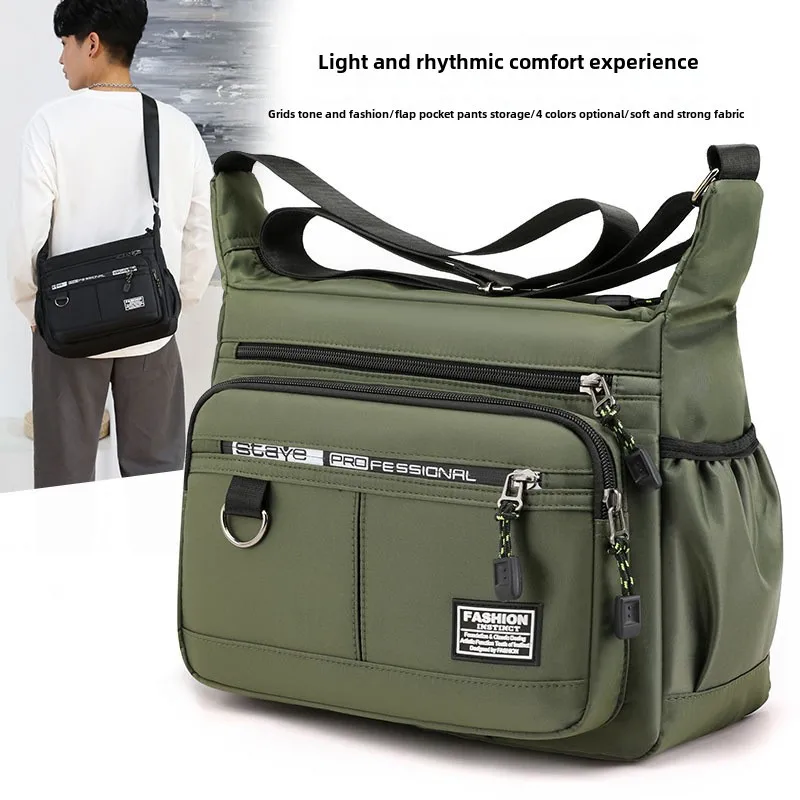
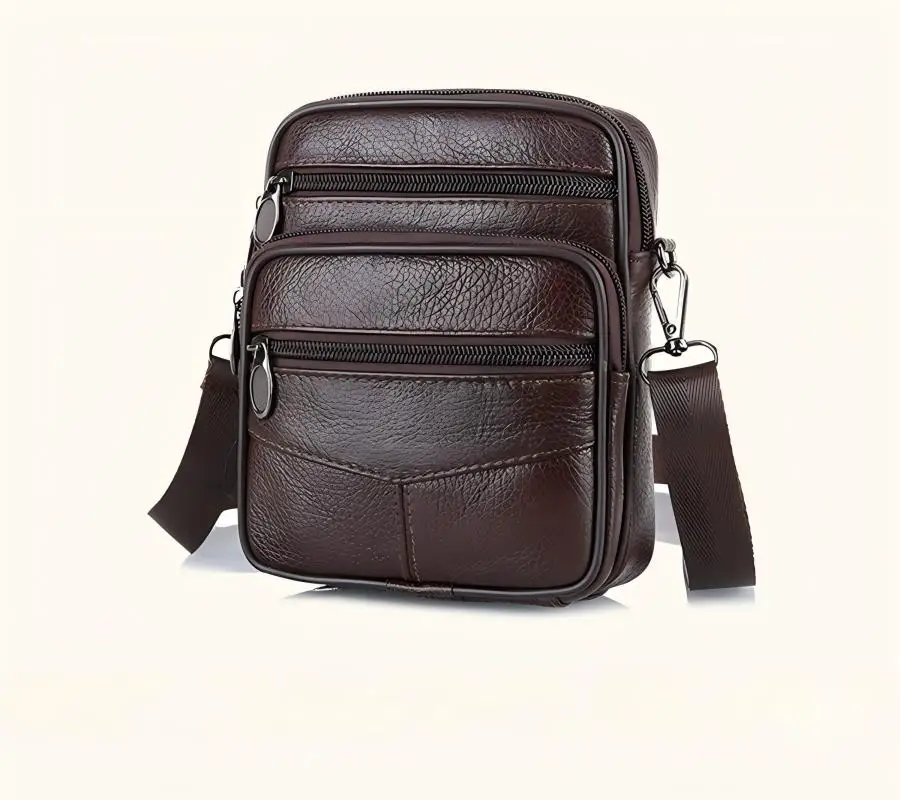


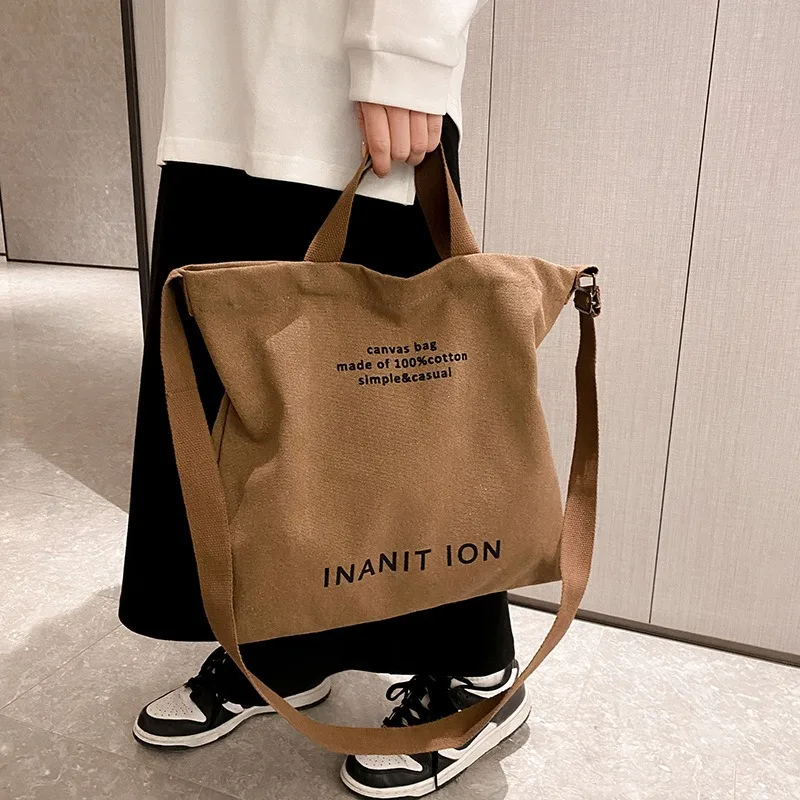
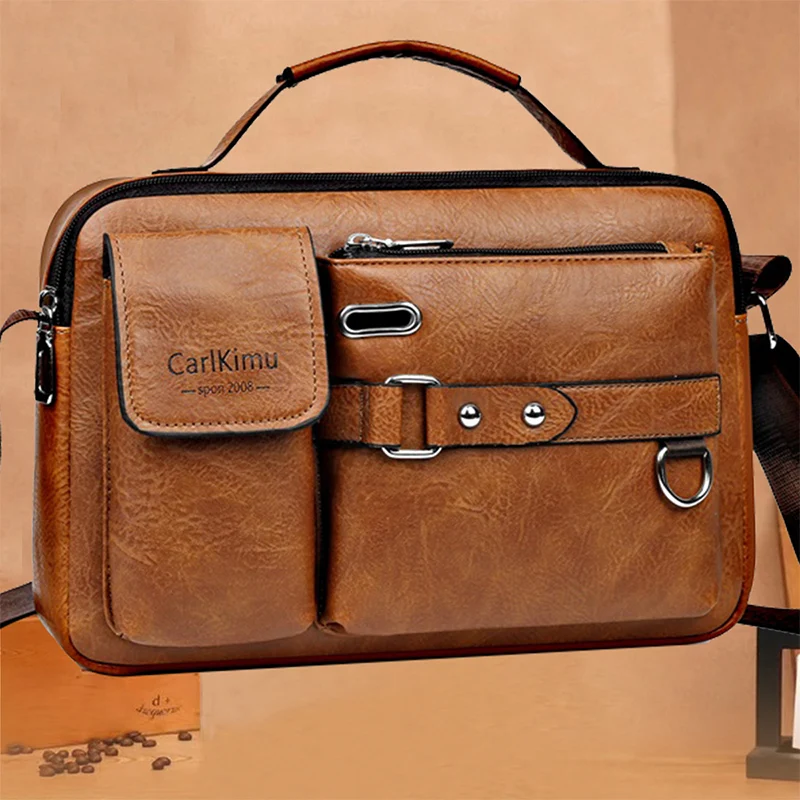




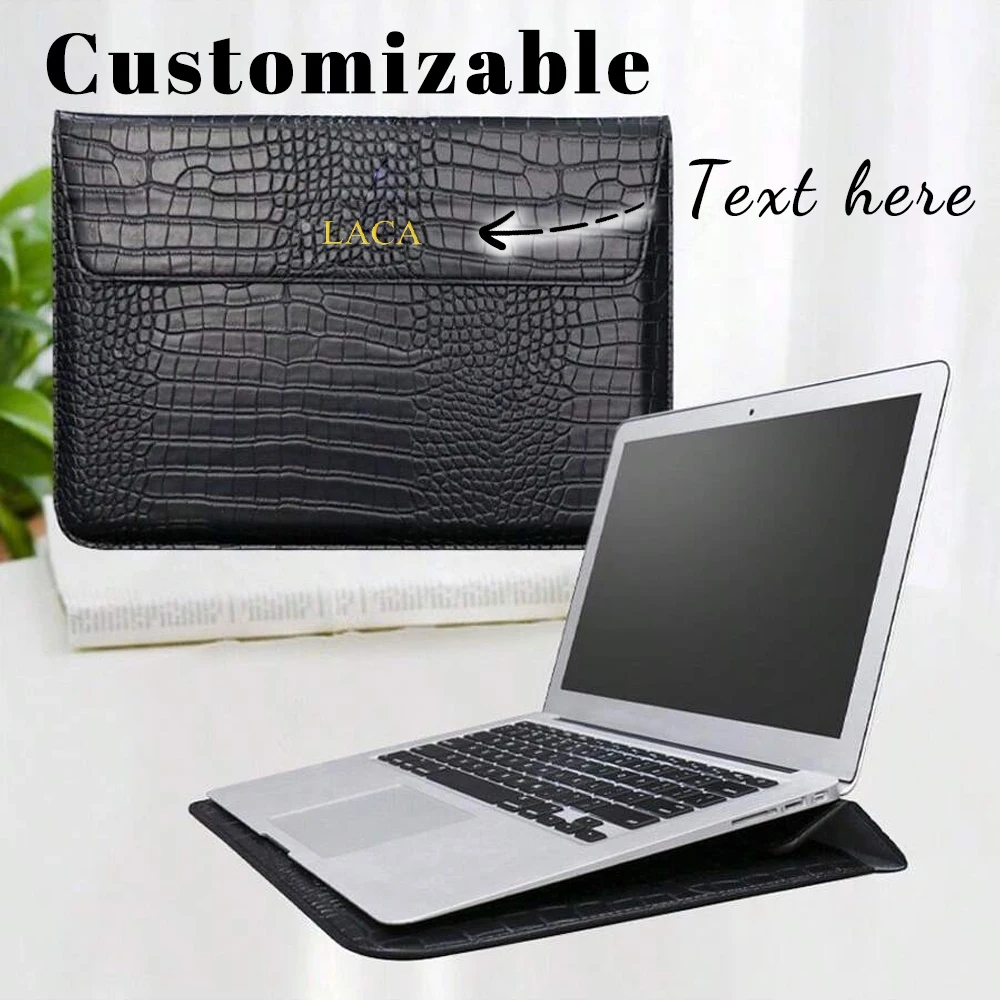



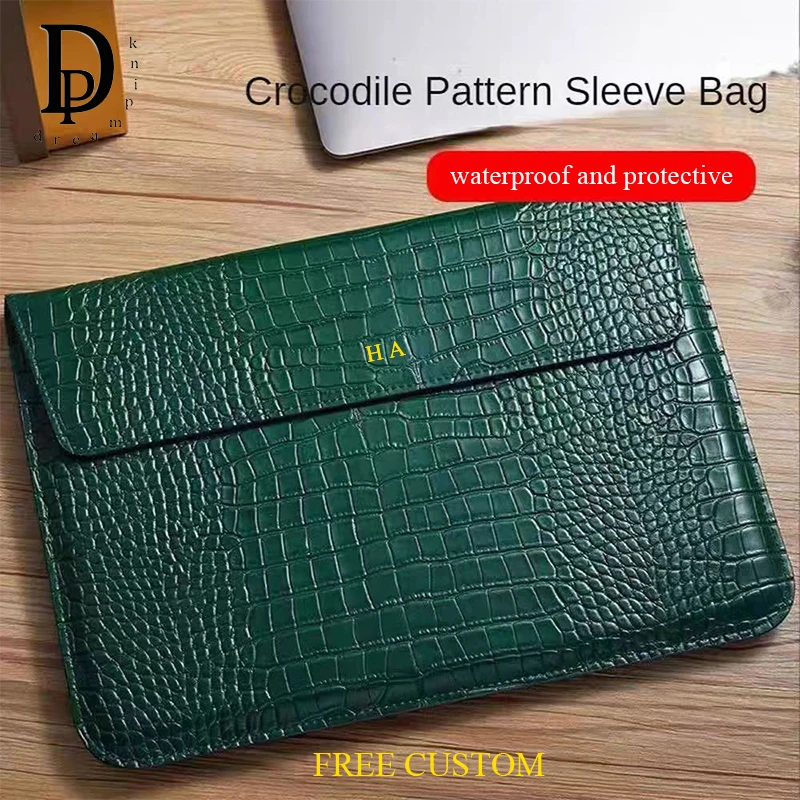
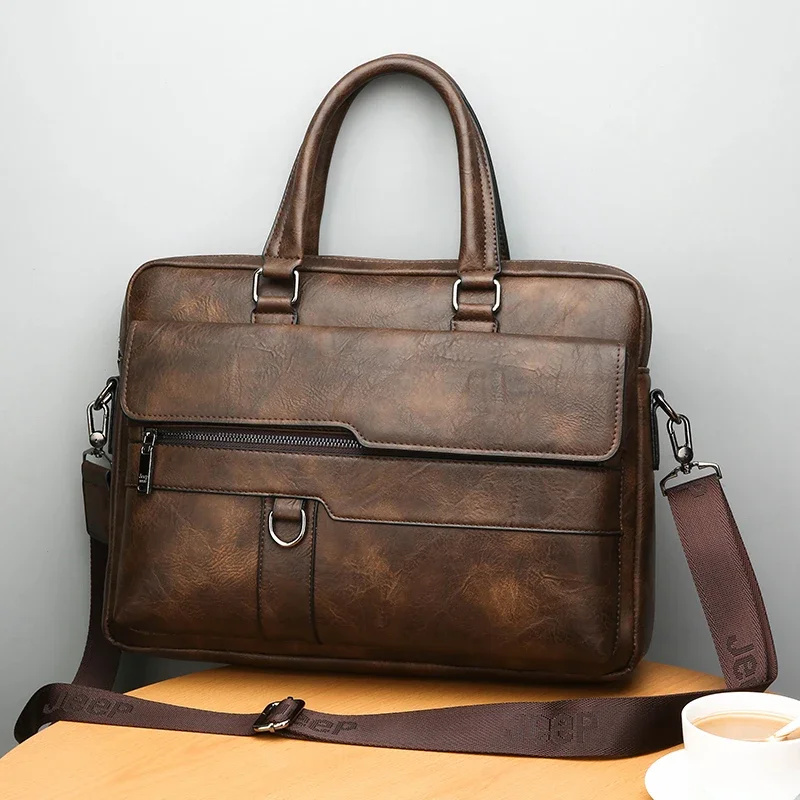
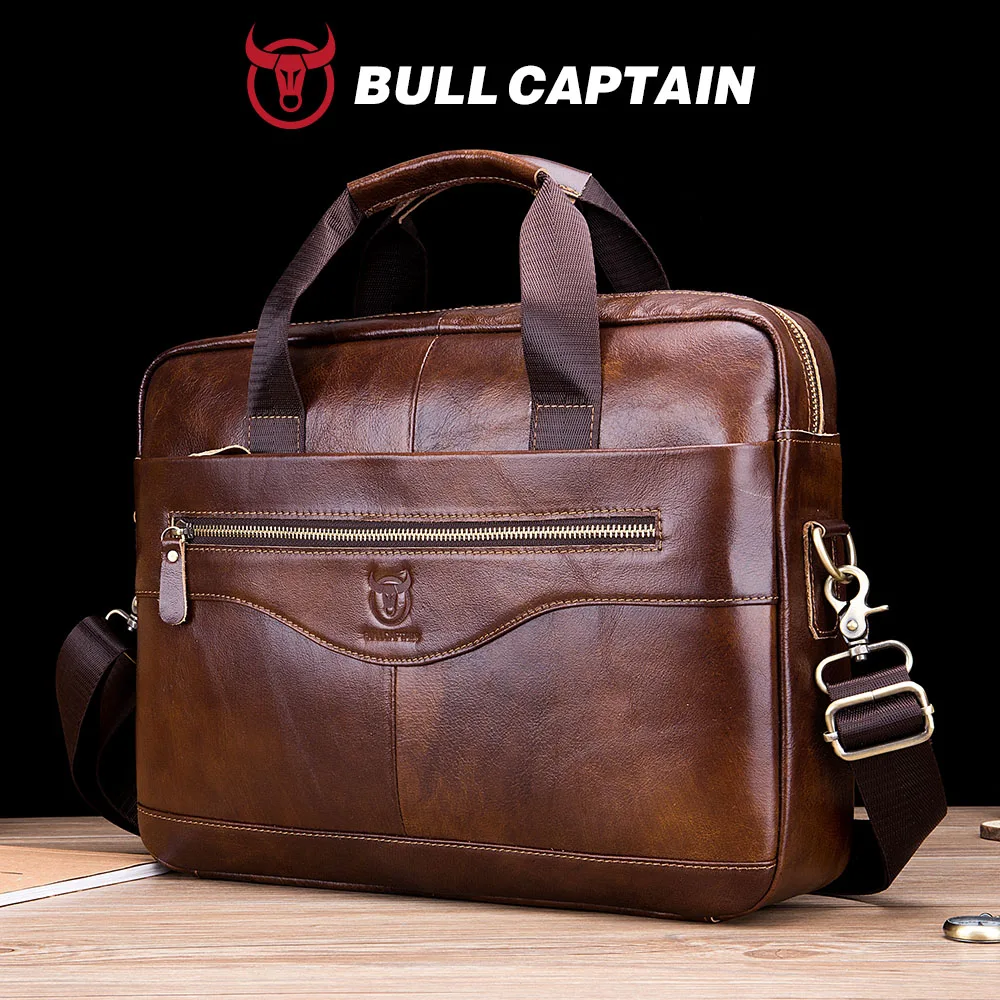
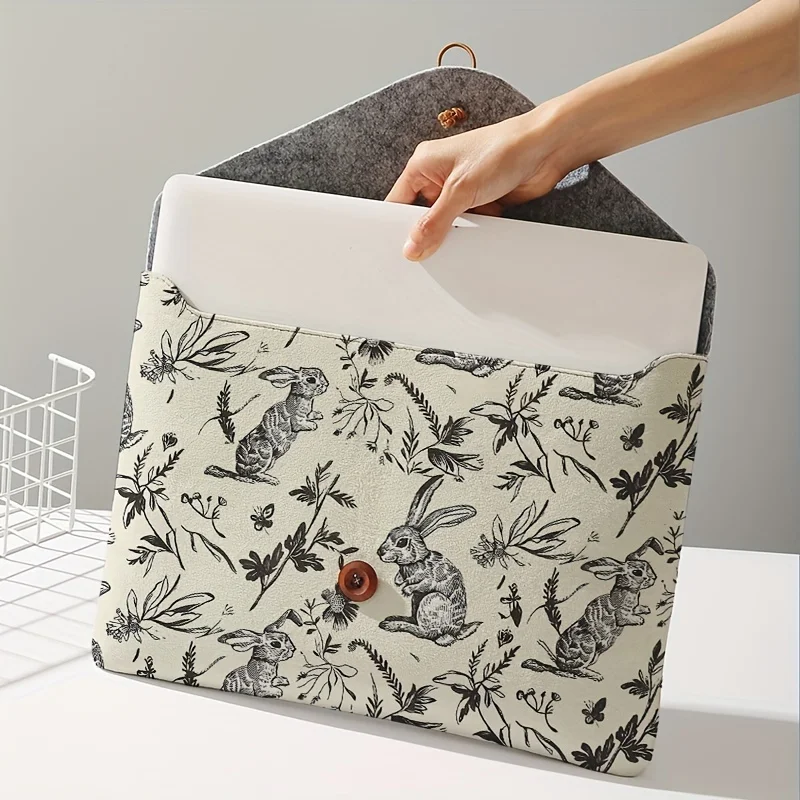

A work bag has three jobs: protect the machine, survive a commute, and still look appropriate in a meeting. Most listings optimise for the third and quietly fail the first two.
Size the bag to the device, not the marketing
A "15 inch" sleeve fits some 16 inch laptops and not others. Check three numbers:
- Device width and depth versus the internal sleeve.
- Sleeve clearance of 2–3 cm, so a hard shell case fits too.
- Suspended base — the laptop must not rest on the bag's bottom edge, where every drop lands.
Backpack, messenger or briefcase?
- Backpack — best for heavy loads and long walks; two straps halve fatigue and keep your hands free.
- Messenger — fastest access in a crowd, worst for one shoulder over a long day.
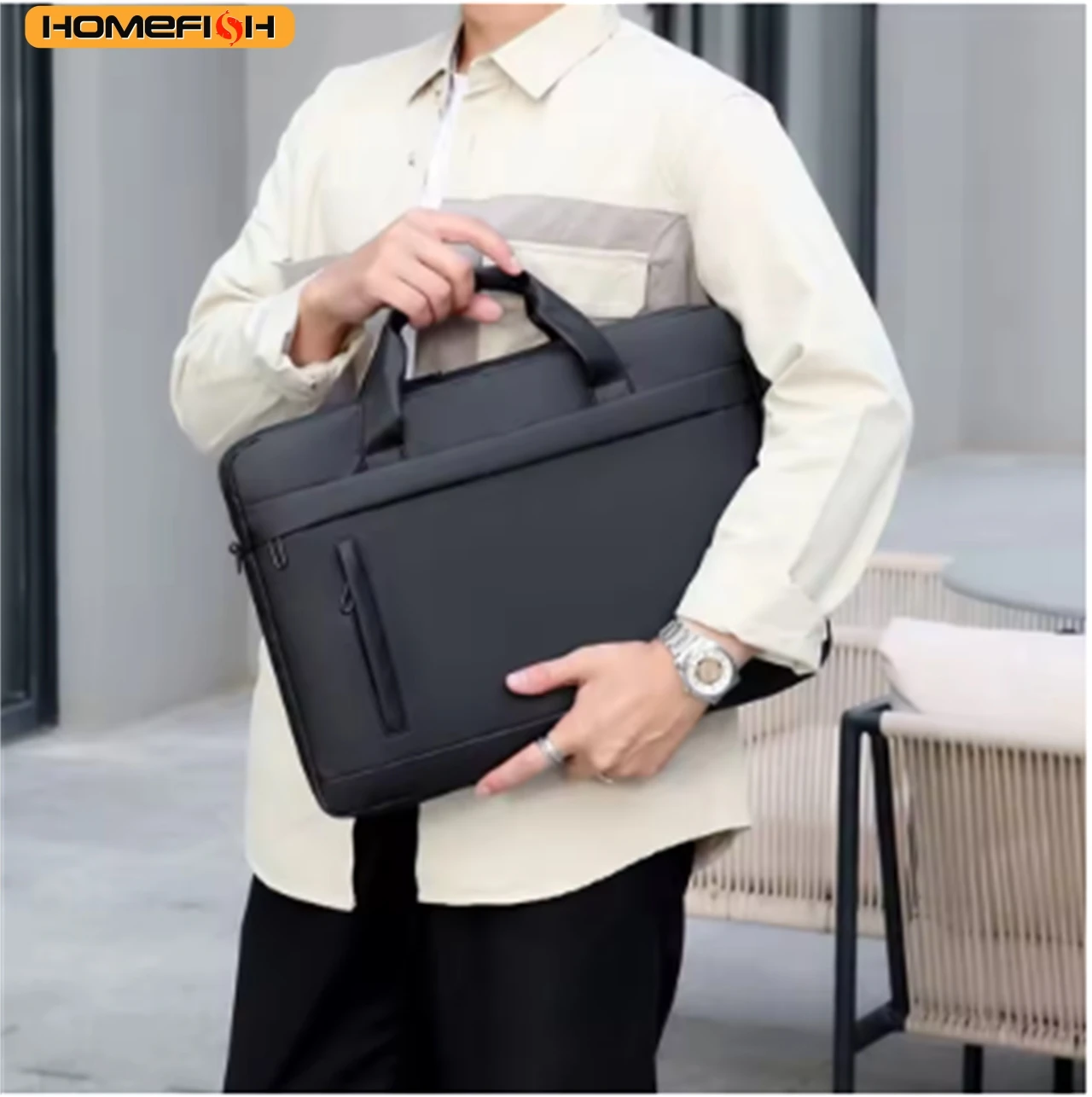
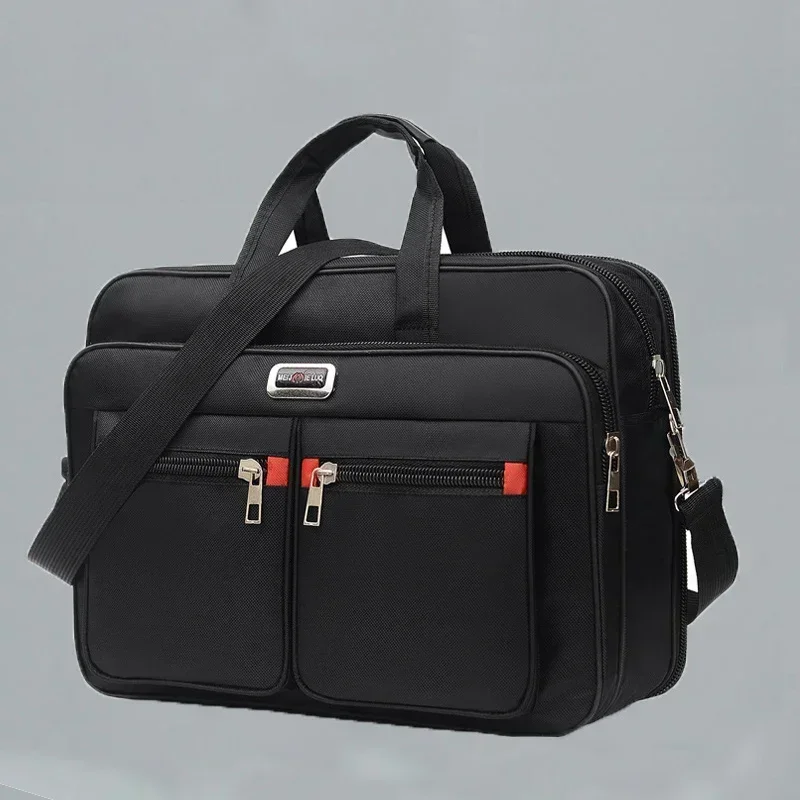
- Briefcase / toploader — smartest, least comfortable over distance.
Look for a luggage pass-through if you fly often: sliding the bag over a suitcase handle saves your shoulders at the airport.
Build details that matter
- Water-resistant base and zips — floors and rain are the two real threats.
- Padding on the laptop wall, not just around it.
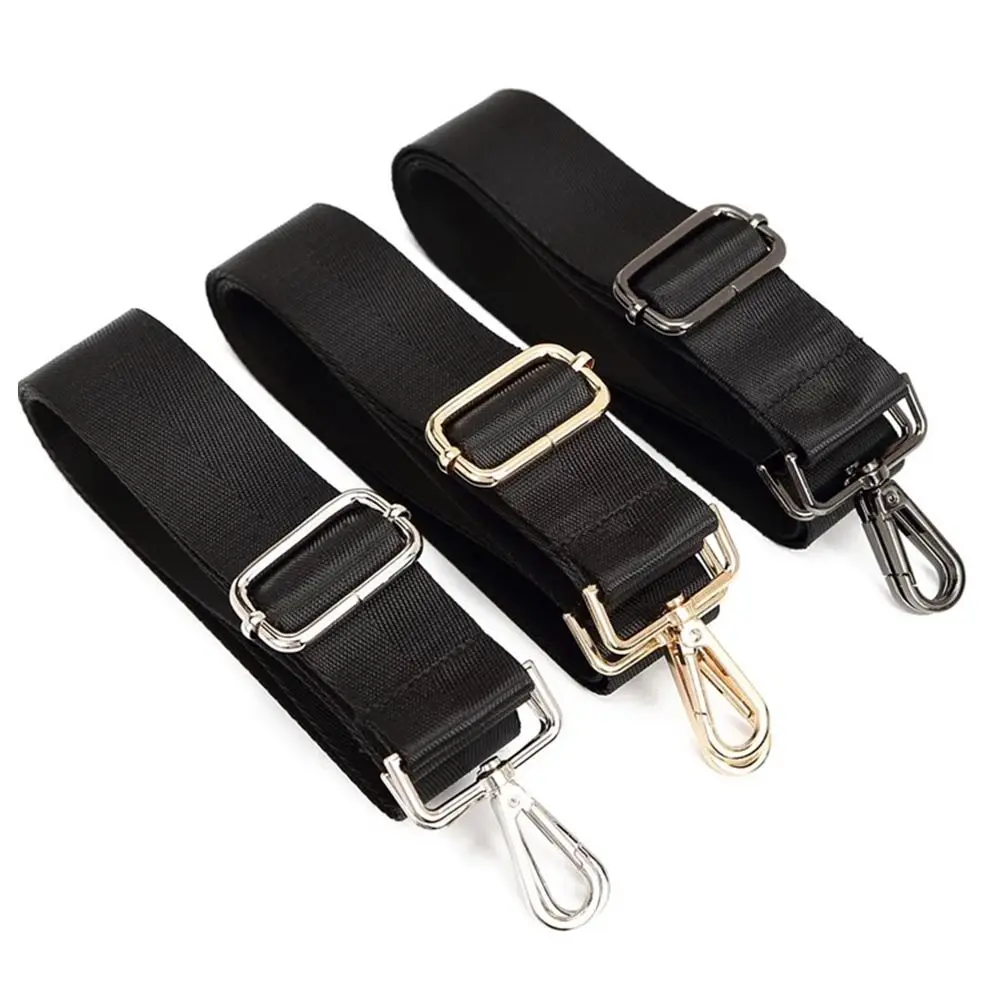
- Bar-tacked strap anchors and metal hardware rather than plastic clips at load points.
- A quick-access pocket for passport, cables and a luggage tag.
The personal-item loophole
Most airlines allow one cabin bag plus a personal item around 40 × 30 × 15 cm. A slim laptop backpack usually qualifies, which means you board with a suitcase *and* a laptop bag without paying for extra baggage. Verify the wording with your carrier — budget airlines police this hardest.
How much protection is enough
Padding thickness tells you little; suspension tells you everything. A sleeve that hangs above the bag's base survives a drop onto concrete, while a well-padded sleeve sitting on the floor of the bag transfers the impact straight into the machine.
Check for a false bottom (a gap or strap between laptop and bag floor), a fleece-lined interior, and a closure that cannot pop open — zips that run past the corner fail exactly when the bag is dropped.
Commuting versus flying
- Commuting: weight distribution and quick access matter most; a slim 20–25 L backpack with a top-loading laptop pocket.
- Flying: the personal-item size (about 40 × 30 × 15 cm) and a luggage pass-through matter most; check the bag's measurements with a laptop inside, since a full bag bulges and stops fitting the sizer.
- Both: a 25–30 L backpack with a suspended sleeve, a pass-through strap and a flat external pocket for passport and cables.
How this page is built
Titles, images and prices come from our partner product feed, refreshed daily and dated on each card; we never mark prices up. Purchases, shipping and returns are handled by the seller, whose page shows the live total.