








A travel backpack only works when the weight lands on your hips, not your shoulders. That single geometry decision matters more than brand, colour or litre count — and it is the one most listings never mention.
Litres by trip length
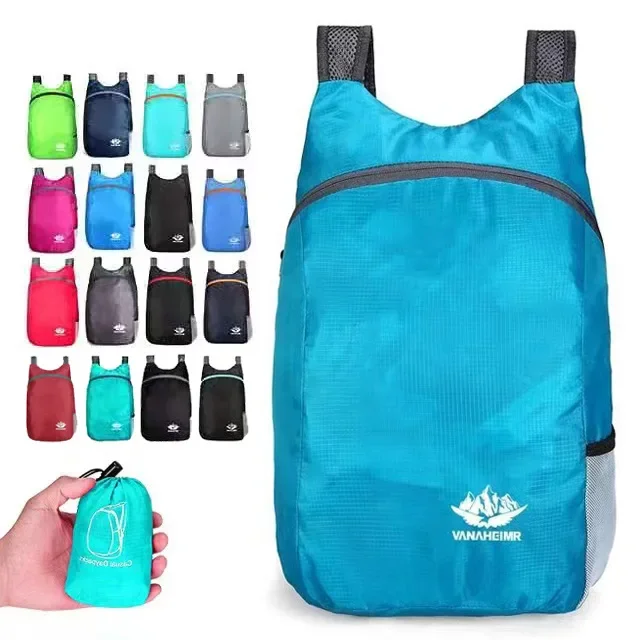
- 28–35 L — two to four days, cabin-legal on most carriers.
- 40–45 L — one to two weeks if you pack light; usually still cabin-legal when the frame is soft.
- 50–65 L — checked or long-term travel; needs a real hip belt to be wearable.
- 70 L+ — moving country, not holidays.
Cabin legality depends on the compressed dimensions. Measure with every strap tightened, and remember that a half-empty pack compresses smaller than a full one.
Travel pack or hiking pack?
Hiking packs are top-loading and tall — awkward in hotel rooms and hostels. Travel packs open flat like a suitcase, which makes them easier to live out of, and usually include a detachable day bag. If most of your trip is transport and hotel rooms rather than trails, buy the travel pack.
What to look for
- Load-bearing hip belt with real padding on anything over 40 L; a webbing strap is decoration.
- Suspended laptop sleeve if you carry a computer — the pack's back panel is a bad place for a hard edge.
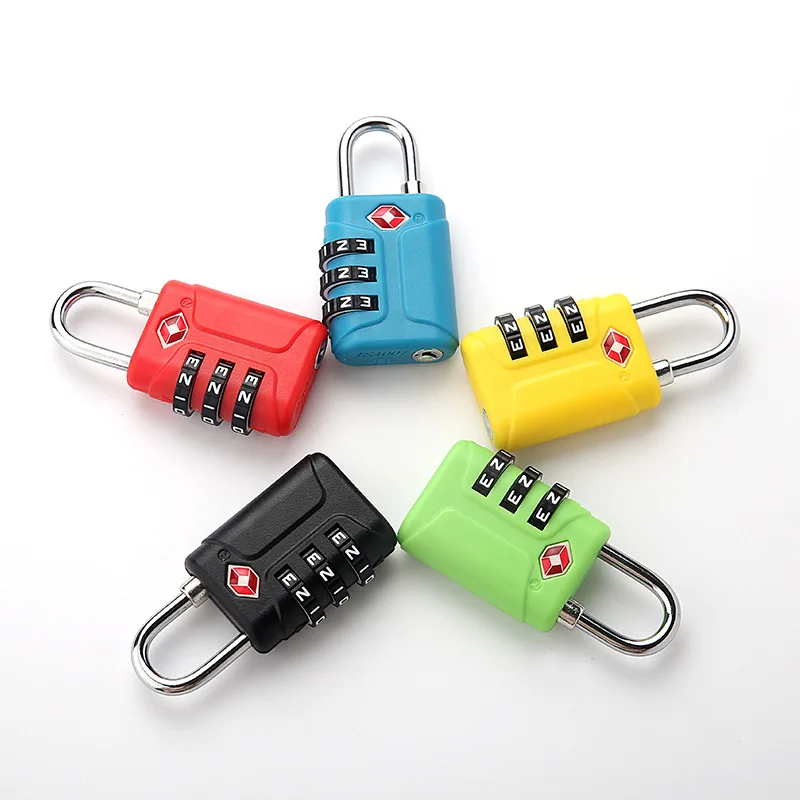
- Lockable zips and a rain cover, or at least a coated base.
- Compression straps on the sides to stop a part-full pack shifting.
- Carry-on dimensions in the listing, not "cabin size" marketing language.
What to avoid
Packs with no hip belt over 45 L, wheeled hybrids (heavy and poor at both jobs), and anything whose straps cannot be stowed if you plan to check it.
Fitting the pack to your body
A travel backpack is only comfortable when the hip belt sits on the hip bone, not the waist. Load the pack with about 8 kg, loosen everything, put it on, then tighten the hip belt first, shoulder straps second, load lifters last. If the weight still hangs on your shoulders, the torso length is wrong — and most listings never state it.
Look for adjustable torso length on anything over 45 L. Fixed-torso packs fit some people perfectly and nobody else.
Packing order that keeps the load stable
Heaviest items closest to your spine and level with the shoulder blades; light bulk at the bottom; things you need in transit — documents, water, a layer — in the top pocket or the day bag. Keep the pack's depth under 25 cm when compressed to stay inside cabin sizers.
How this page is built
Titles, images and prices come from our partner product feed, refreshed daily and dated on each card. We never mark prices up, and we are not the seller — shipping, taxes and returns are theirs. If you are choosing between bag shapes, our backpack vs suitcase guide covers the trade-offs in detail.