







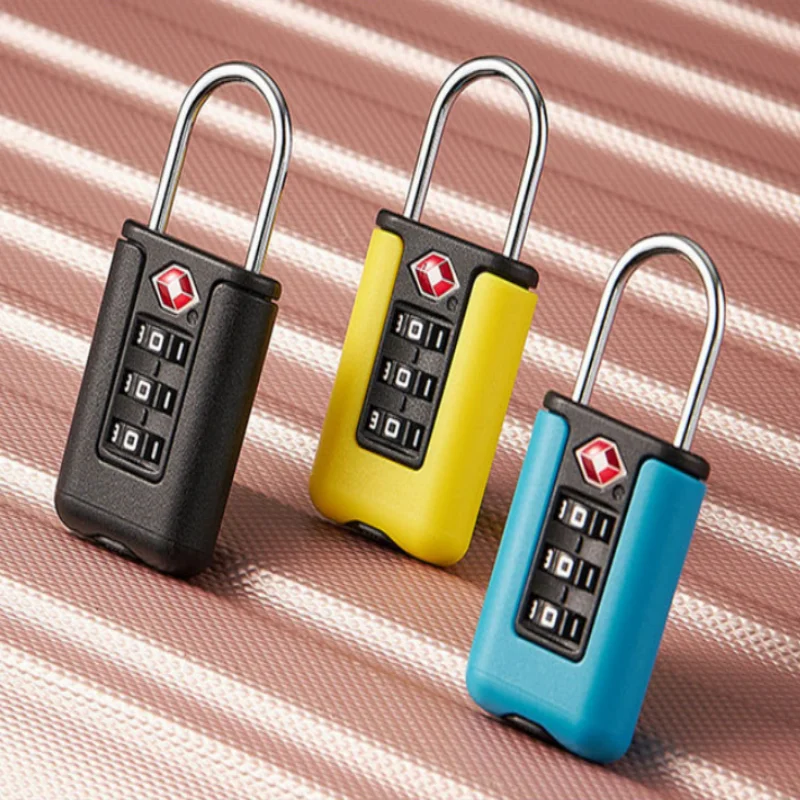
This is the accessories aisle, where margins are high and usefulness varies wildly. Four items reliably earn their place in a bag; most of the rest are sold to nervous first-time flyers.
Worth buying
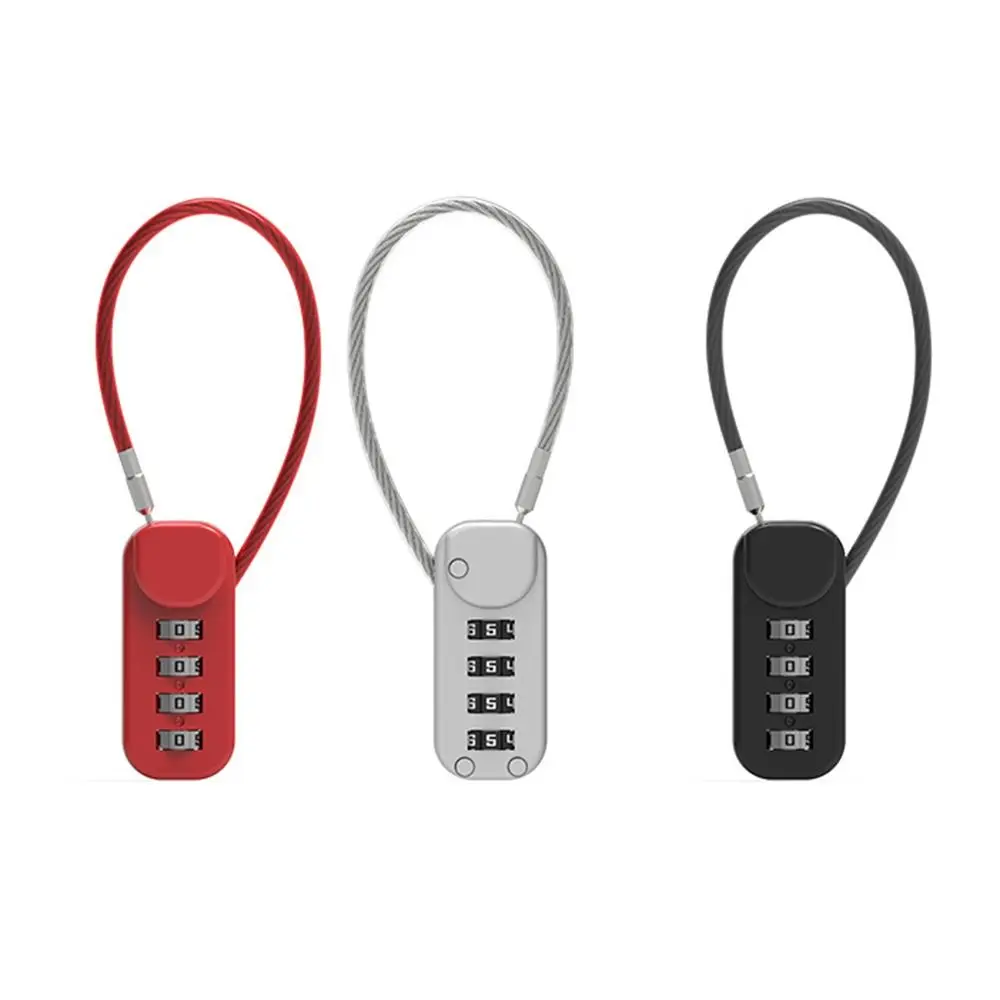
A TSA-accepted combination lock. In the US and Canada, security can open a TSA lock with a master key instead of cutting it off. Elsewhere any decent combination lock works. Cable-style locks also let you secure a zip to a fixed point in a hotel room.
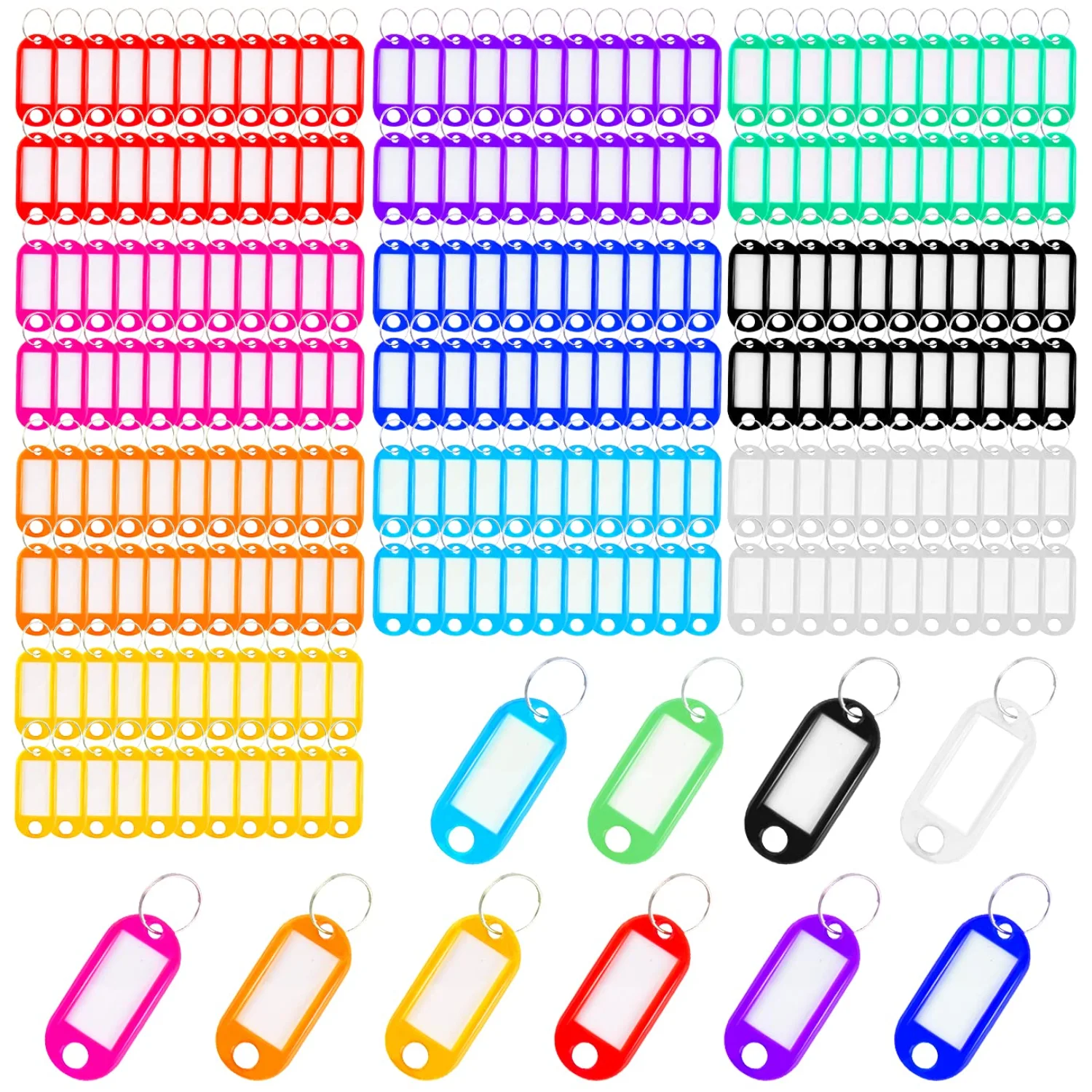
Two luggage tags, filled in properly. Name, phone number and email — never your home address. Put a second tag *inside* the case, because external tags tear off at exactly the wrong moment.
A hanging luggage scale. Weighing at home is the difference between a 23 kg allowance and an excess-baggage fee that dwarfs the price of the scale. Digital models are accurate to roughly 50 g.
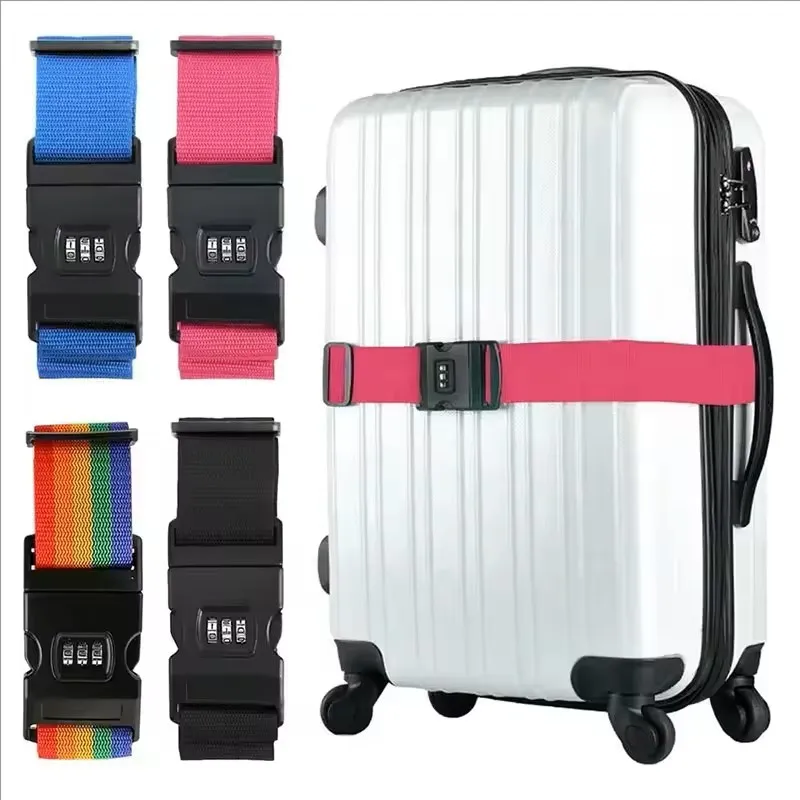
A bright strap or cover if you check a common black hard shell. It is not theft protection; it is so you recognise your bag on a fast carousel.
Usually not worth it
- GPS trackers inside checked bags: reassurance rather than recovery in most cases.
- Wheel covers that trap grit and accelerate wear.
- "Anti-theft" hidden-zip bags for checked luggage nobody is carrying.
- Universal locks sold with no TSA marking at all — they may simply be cut.
Zips and repairs
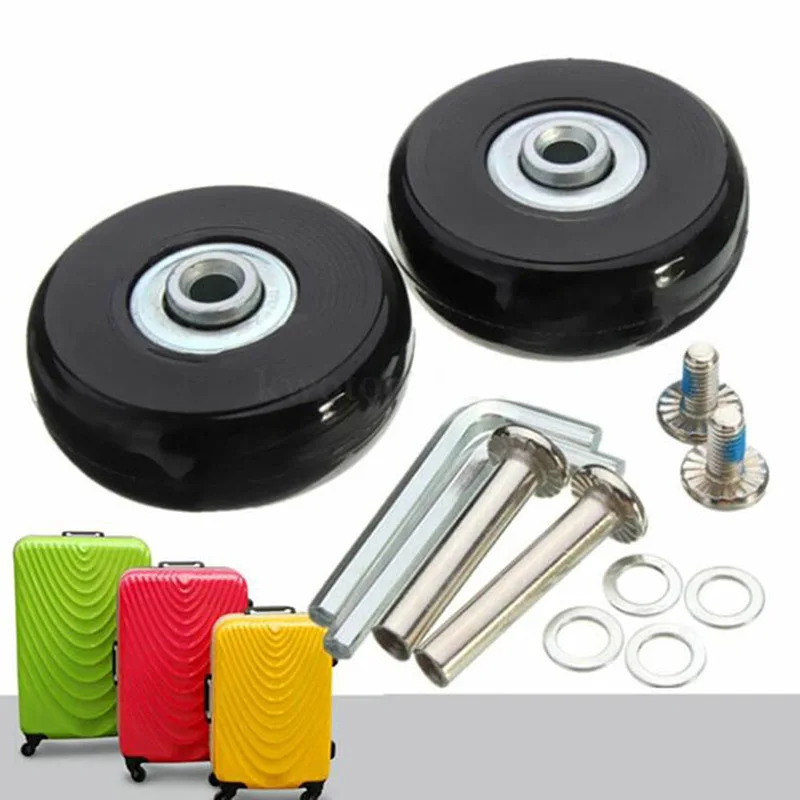
A broken zip or wheel ends a case's life long before the shell fails. If your case has replaceable wheels, a spare kit is sensible for long-term travel and overkill for a holiday. Check whether the listing states replaceable hardware before buying.
Getting a lost bag back
Airlines return misplaced bags using the details attached to them, which is why tags matter more than trackers. Put a phone number and email on the outside tag, and a second tag with the same details *inside* the case — outside tags tear off, and a bag with no interior identification can sit unclaimed for weeks.
Photograph your packed bag before checking it. If it goes missing, that photo is the fastest way to describe contents and to support a claim for anything valuable inside.
Locks: what each one really does
- TSA-accepted combination lock — security can open it with a master key instead of cutting it. Needed in the US and Canada; harmless elsewhere.
- Non-TSA combination lock — fine outside North America, may simply be cut in the US.
- Cable lock — secures zips to a fixed point; useful in hostels and on trains, useless against a determined thief.
- Zip ties — show whether a bag was opened, but must be cut at your destination.
How this page is built
Listings and dated prices come from our partner product feed. We are a price guide, not the seller — the buying link opens their page, which shows the live price and shipping. Our TSA locks and tags guide covers what each item actually protects against.