










Carry-on is the hardest luggage category to buy well, because three limits fight each other: the airline's size box, the weight allowance, and how much you actually need to pack. Get the order of priority wrong and you either pay for checked bags or drag a case that fights you through every terminal.
Start with the airline, not the case
Cabin allowances cluster around two shapes: roughly 55 × 40 × 20 cm on European and Asian short-haul, and 56 × 36 × 23 cm on US domestic. Budget carriers are stricter and increasingly weigh cabin bags at the gate, so a light case matters as much as a small one.
Measure the external dimensions including wheels and the top handle. Many listings quote the body only, which is how a "55 cm" case fails a 55 cm sizer by two centimetres.
What actually matters
- Empty weight. Under 2.5 kg for a hard shell, under 2 kg for soft. A beautiful case that starts at 4 kg costs you packing space on every trip.
- Wheel recess. Spinners that sit inside the shell's footprint keep the measured size honest.
- A flat interior. Deep lid pockets and bulky dividers steal litres; a simple clamshell with one compression strap packs better.
- Zips and handles. Look for wrapped or box-stitched handle anchors and chunky zipper teeth — these are what fail first.
Hard shell or soft?
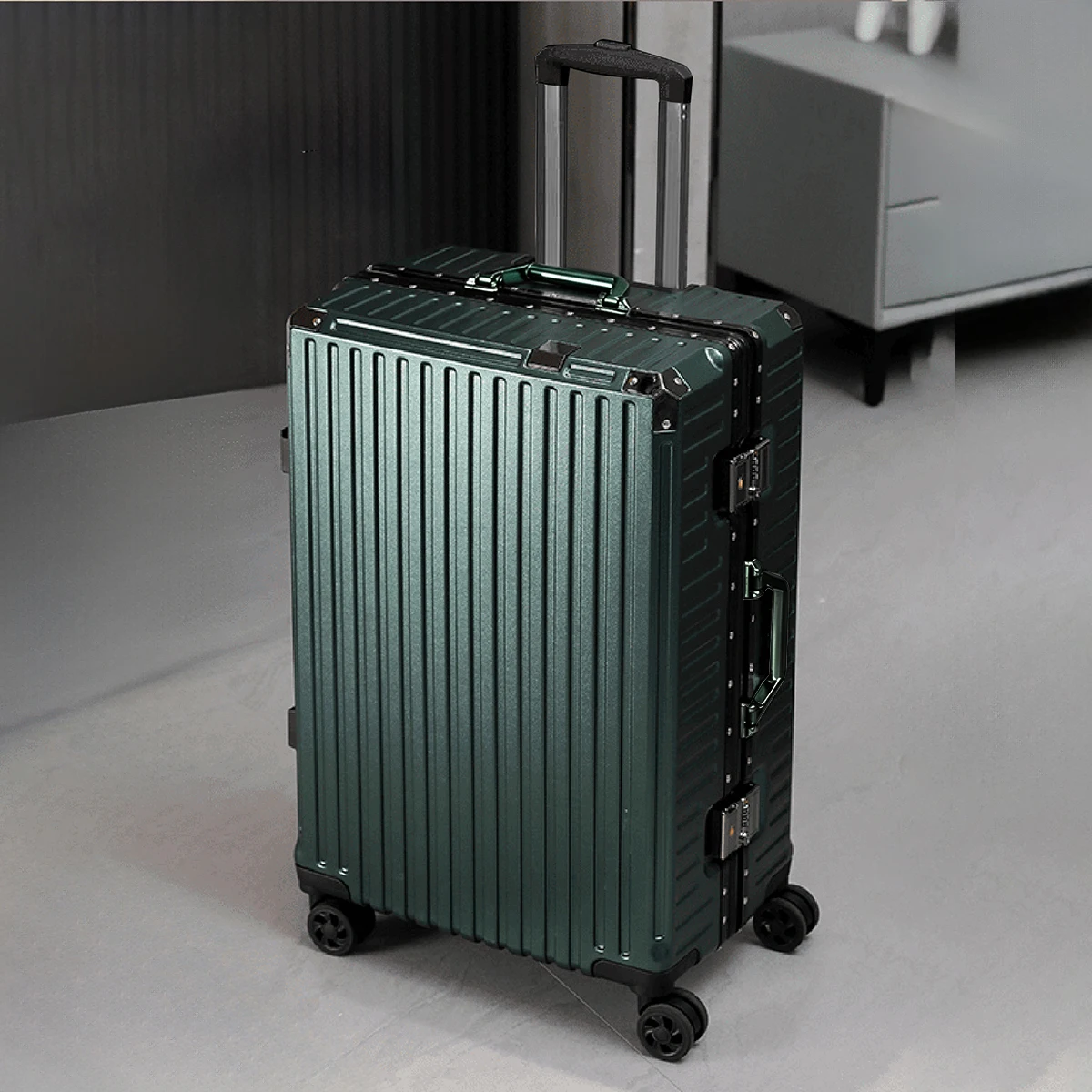
Polycarbonate flexes on impact and springs back, which is why it dominates carry-on. Soft cases forgive overpacking and give you an outer pocket for documents, but fabric tears and zips jam. If you mostly fly and rarely check, polycarbonate wins; if you travel by train and want quick access, soft does.
What to avoid
Four-wheel cases with protruding wheels, "expandable" zips on a cabin bag you intend to keep legal, and any case whose listing does not state wheel-inclusive dimensions.
The two-minute shortlist test
Before you compare colours, answer five questions about the listing:
1. Does it state wheel-inclusive external dimensions?
2. Is the empty weight under 2.5 kg (hard) or 2 kg (soft)?
3. Are the wheels recessed into the shell rather than protruding?
4. Is the telescopic handle wobble-free when extended?
5. Is the interior a simple clamshell rather than a maze of pockets?
Two or more "no" answers, and the case will frustrate you on a real trip, whatever it costs.
Sizing for real trip lengths
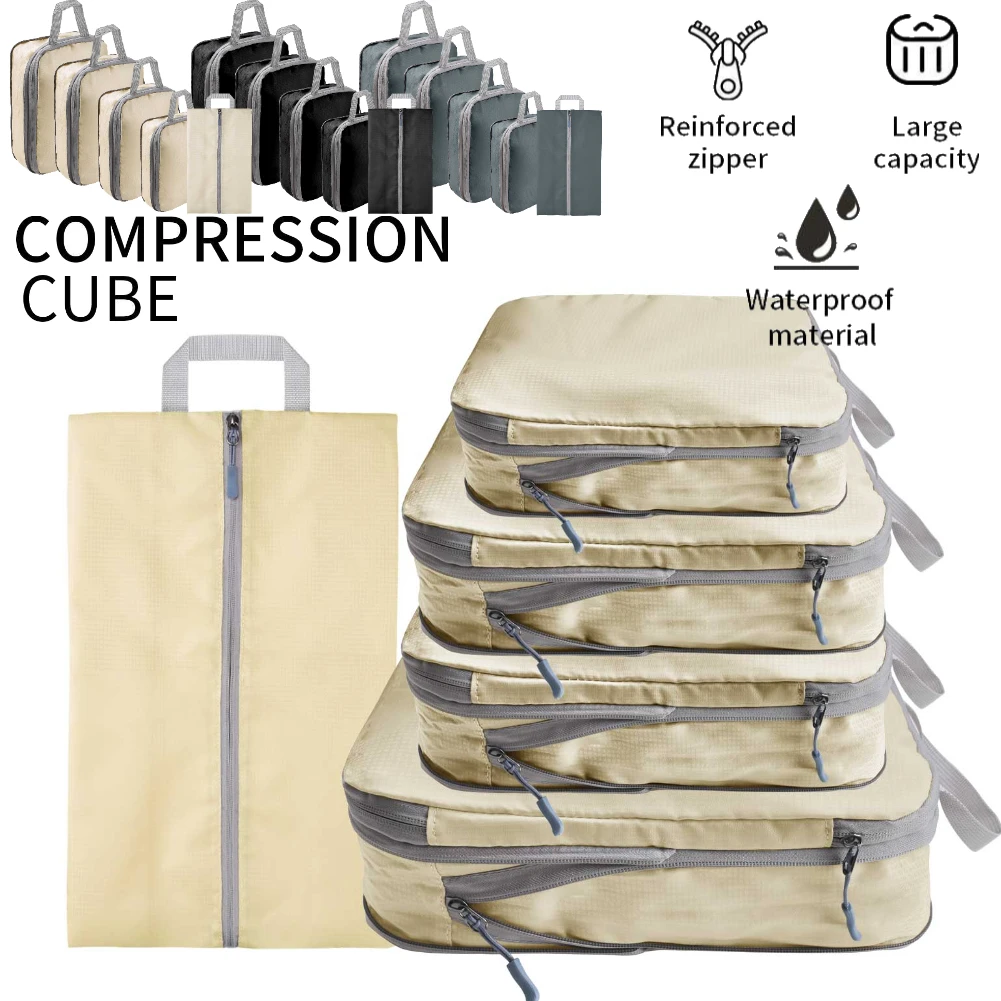
- 2–3 days — 30–35 L, one packing cube plus a toiletry pouch.
- 4–7 days — 38–45 L if you will do laundry once; 45 L+ if you will not.
- Winter layers — add roughly 5 L or accept a checked bag; a coat alone can fill a quarter of a cabin case.
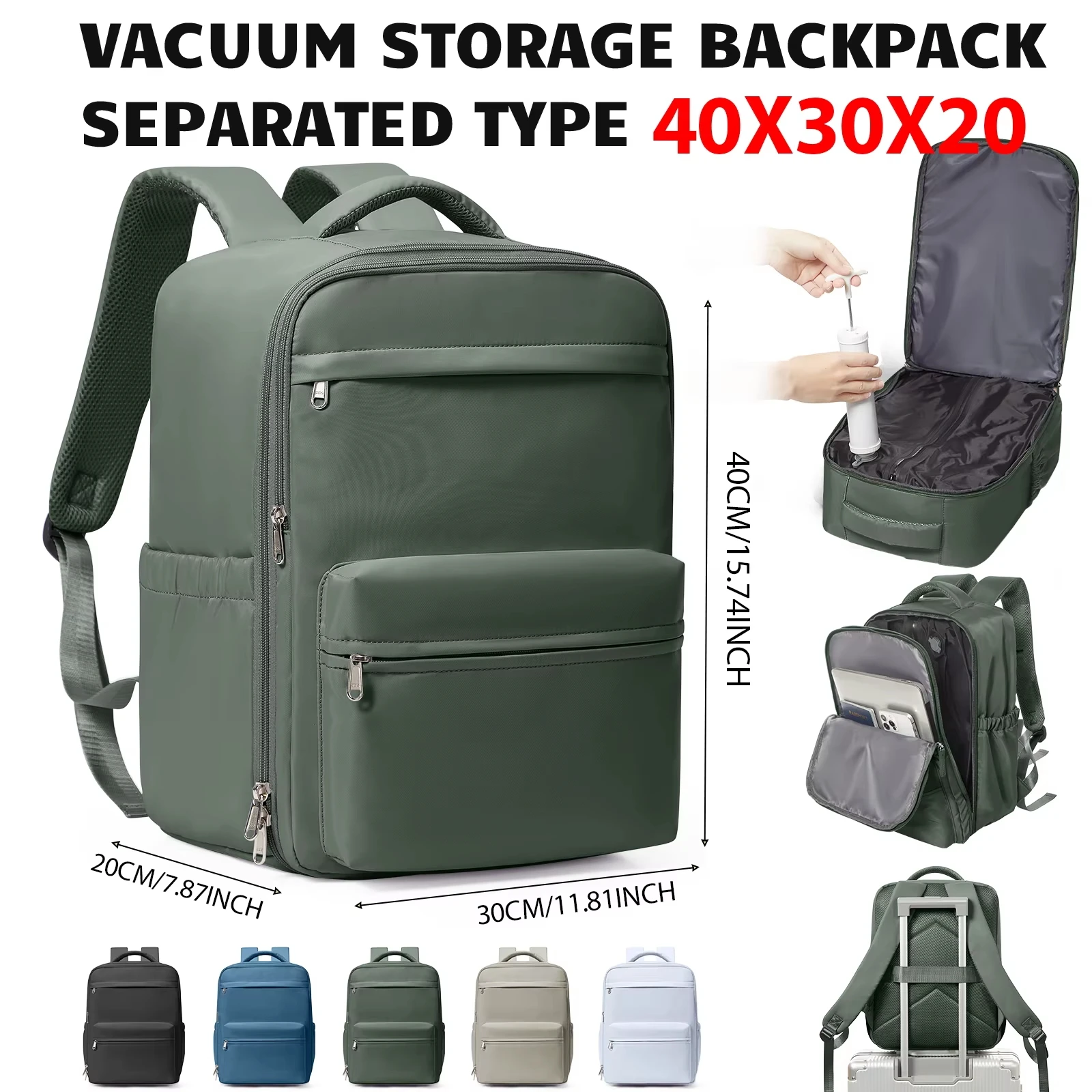
- Budget-carrier personal item — 40 × 30 × 15 cm, often free, and the cheapest way to travel light.
If your trips alternate between a 3-day hop and a fortnight, buy the 40 L class: large enough for a week with laundry, small enough to stay legal.
How this page is built
Everything in the grid below comes from our partner product feed, refreshed daily, with the price stamped by date. We do not sell anything: the "View" link goes to the seller, who sets the live price, shipping and returns. Check their page before you buy, and see our cabin size rules guide for airline-by-airline detail.